
Description
Product Overview
Designed with automation in mind, the tube’s uniform dimensions and clear graduation markings enable seamless integration with robotic liquid‑handling systems and plate readers. The smooth exterior surface reduces friction during high‑speed dispensing, while the sturdy cap mechanism withstands repeated opening and closing cycles, ensuring consistent performance across thousands of automated runs. This compatibility minimizes manual handling errors and accelerates throughput in high‑content screening laboratories.
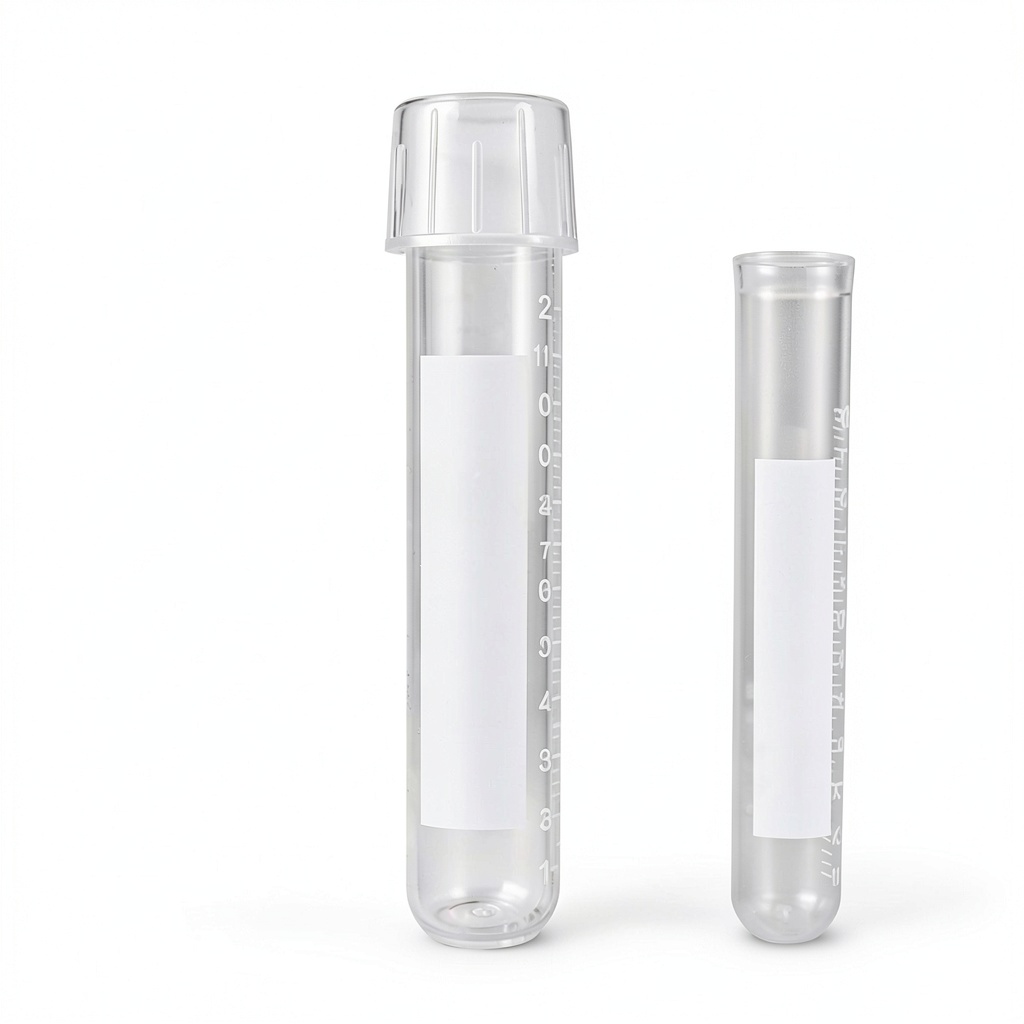
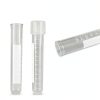
The BIOLOGIX 14 ml sterile culture tube is engineered for demanding laboratory environments where precision, durability, and ease of use are essential. Constructed from high‑grade polypropylene, the tube tolerates repeated autoclave cycles at temperatures up to 121 °C and withstands centrifugal forces of 3000 RCF without deformation, ensuring that your samples remain secure throughout every step of the workflow.
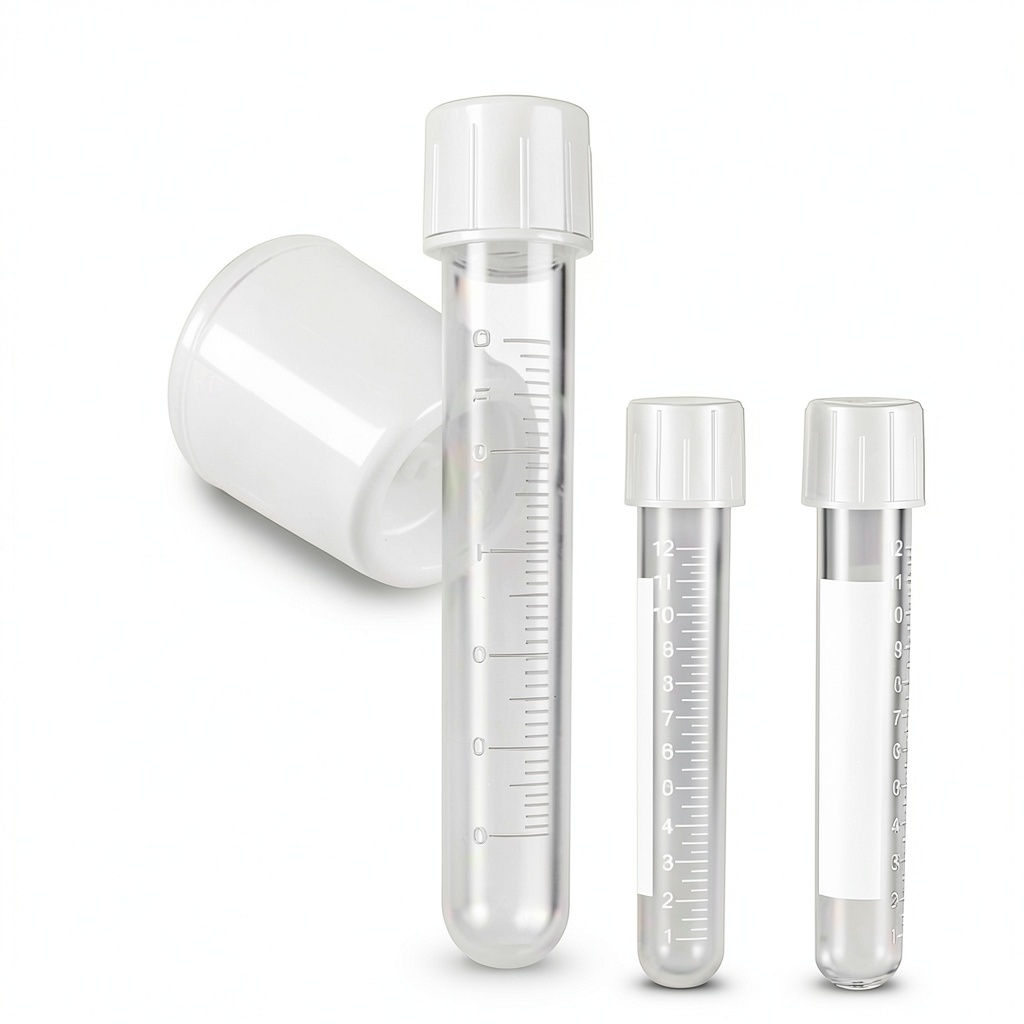
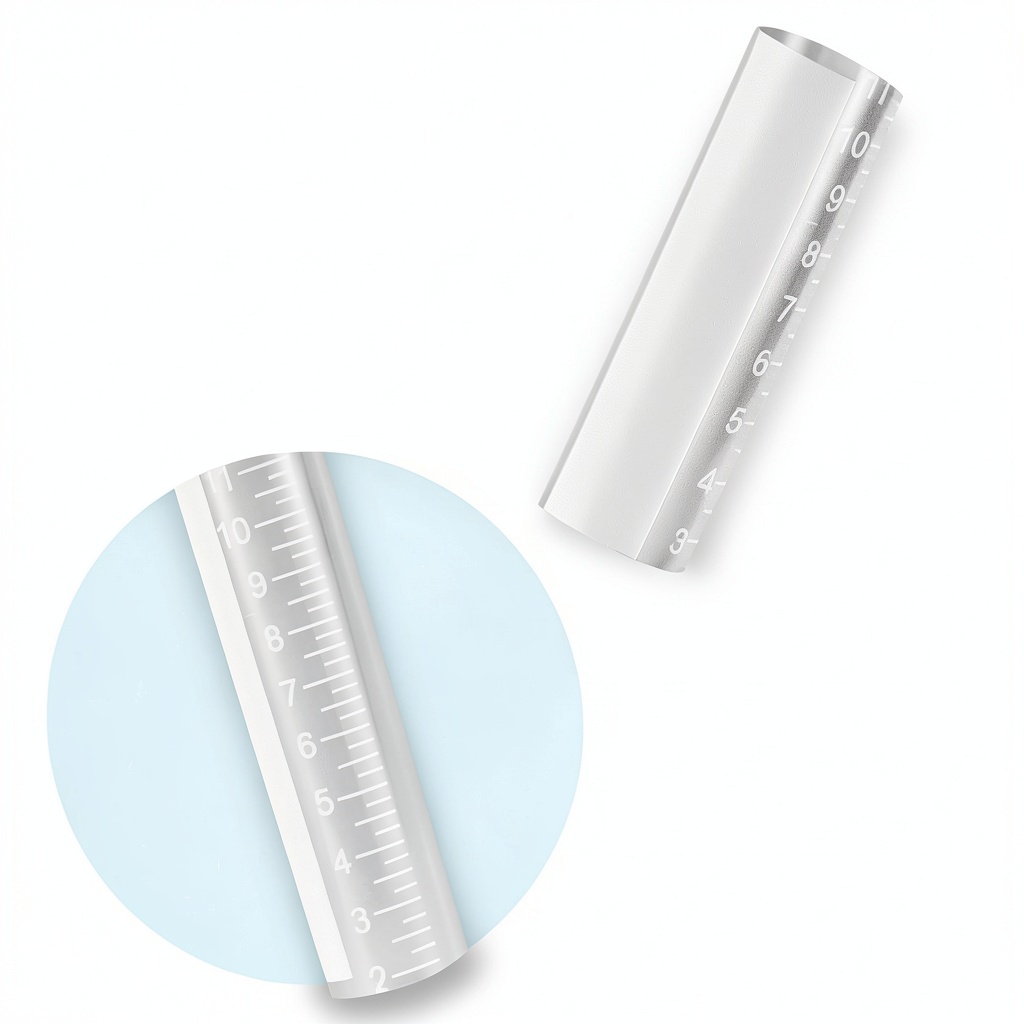
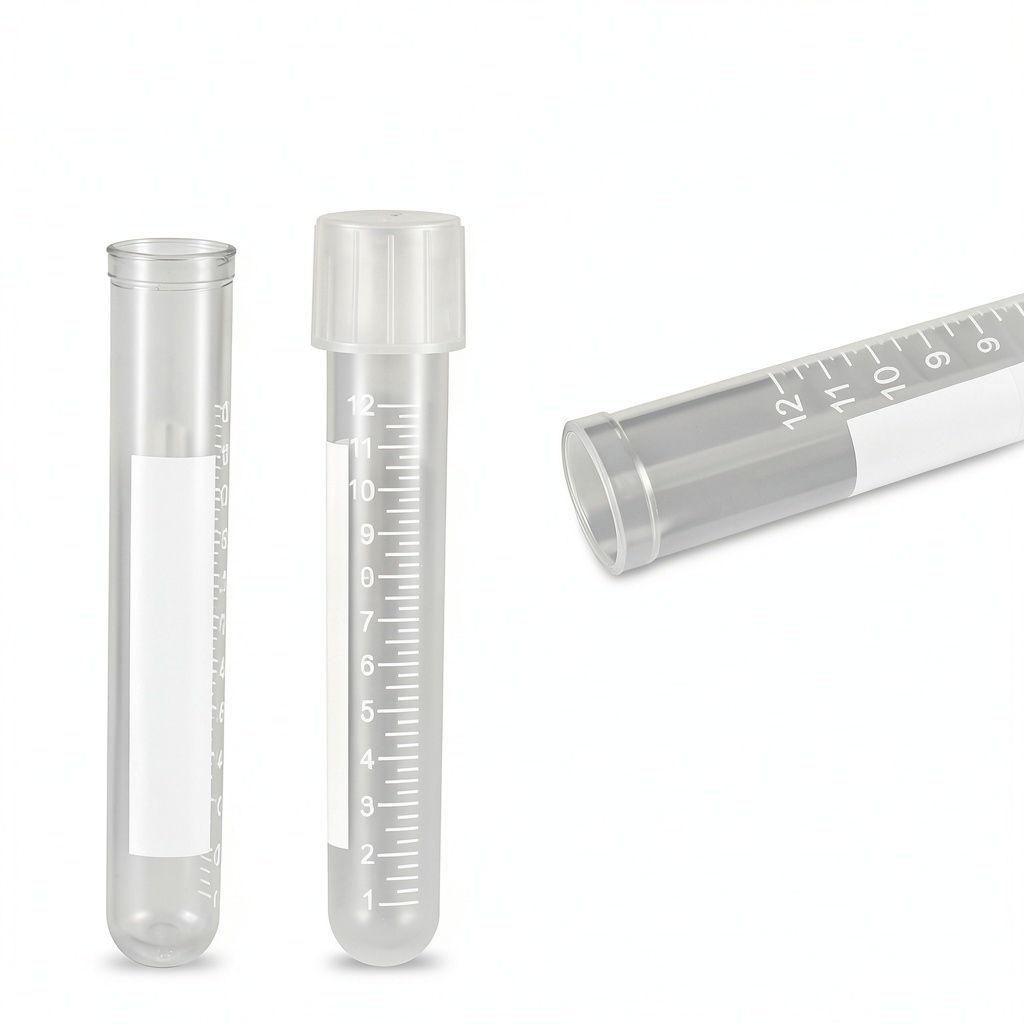
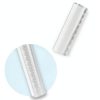
Each tube features clear, laser‑etched graduation marks that extend to 12 ml, providing accurate volume readings that never fade or wear away. The graduations are etched directly into the polymer surface, eliminating the risk of ink leaching and guaranteeing long‑term readability even after exposure to harsh chemicals or repeated cleaning.
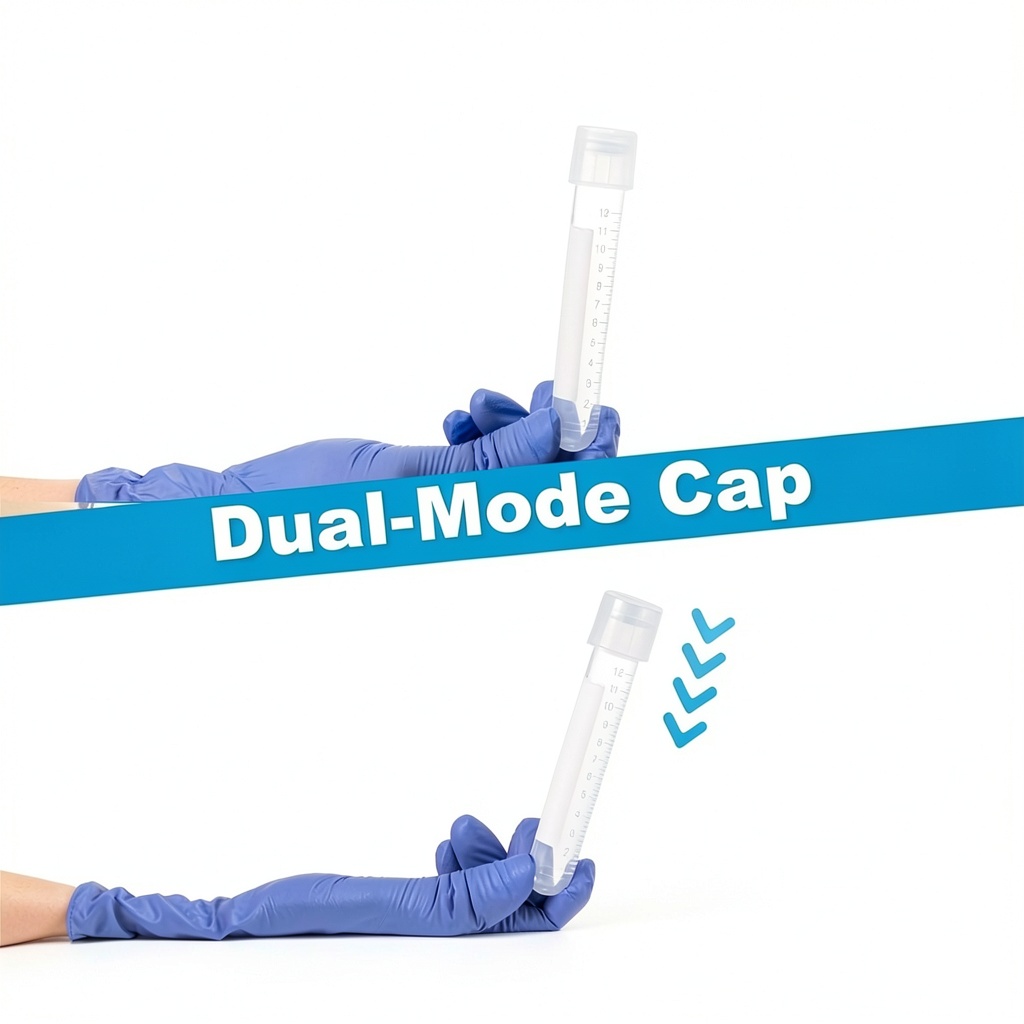
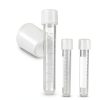
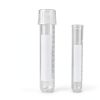
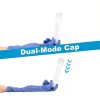
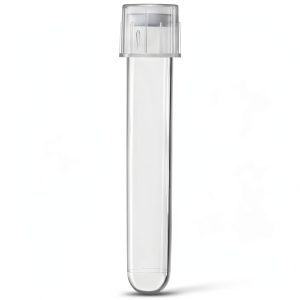
The dual‑position cap is a distinctive design element that gives researchers the flexibility to switch between aerobic and anaerobic culture conditions without changing consumables. By pressing the first segment of the cap, the tube becomes breathable, allowing oxygen exchange for aerobic microorganisms. Pressing the second segment seals the tube completely, creating an anaerobic environment for obligate anaerobes.
With dimensions of 17 mm diameter and 100 mm length, the tube fits standard incubators, centrifuges, and rack systems used in cell culture, microbiology, and molecular biology labs. The clear polypropylene body provides excellent visual access to the culture, while the smooth interior surface minimizes sample adhesion and facilitates easy recovery of cells or reagents.
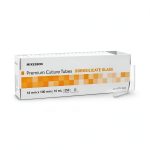
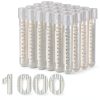
The product is supplied in bulk packaging of 1 000 tubes, organized into 40 packs of 25 tubes each, which streamlines inventory management and reduces per‑unit cost for high‑throughput facilities. Sterilization is performed using ethylene oxide (EO) gas, delivering a ready‑to‑use sterile tube that requires no additional decontamination steps before opening.
Safety guidelines recommend handling the tubes with nitrile gloves to prevent skin irritation from residual EO residues. The cap’s ergonomic design allows one‑handed operation, reducing the risk of accidental spills. In the event of a cap failure, the tube can be securely sealed with a standard polypropylene screw cap, ensuring continued protection of the sample.
Quality assurance protocols include in‑process monitoring of extrusion temperature, wall thickness uniformity, and cap torque specifications. Each batch is sampled for sterility verification using membrane filtration, and the results are documented in a batch release certificate that accompanies the product shipment. This rigorous approach ensures that every tube delivered meets the high performance expectations of research laboratories.
The tubes meet ASTM D4236 standards for laboratory plasticware and are compatible with GLP‑compliant workflows, making them suitable for regulated research environments. Their chemical resistance to common solvents such as ethanol, methanol, and dimethyl sulfoxide ensures that they can be used in a wide range of assay conditions without degradation.
![[Product front view showing all components]](https://www.opticstore.store/wp-content/uploads/2026/08/7abc374638f34adb8ab62b925962f81b.jpg)
Usage
These culture tubes are ideally suited for routine cell culture, bacterial and fungal propagation, and small‑scale bioprocessing experiments. Researchers can inoculate the tube directly with media, add reagents, and monitor growth through the transparent walls, eliminating the need for secondary containers.
The dual‑cap mechanism simplifies protocol design for experiments that require a shift from aerobic to anaerobic phases. For example, a researcher can begin a fermentation under aerobic conditions, then seal the cap to transition the culture to an anaerobic state without transferring the sample, preserving sterility and reducing contamination risk.
Because the tubes are compatible with standard laboratory equipment, they can be placed in orbital shakers, incubators set at 37 °C, or high‑speed centrifuges for pellet collection. The robust polypropylene construction also resists cracking when subjected to rapid temperature changes, making them reliable for freeze‑thaw cycles and cryopreservation workflows.
In addition to traditional cell culture, the tubes are well suited for enzyme‑linked immunosorbent assay (ELISA) incubation steps, where the clear walls allow visual monitoring of color development and the cap provides a secure seal to prevent evaporation. Researchers can also employ the tubes for small‑volume PCR reactions, as the precise graduations enable accurate reagent dispensing, and the tube’s thermal stability supports rapid temperature cycling without deformation.
The dual‑cap design also facilitates sequential experimental workflows, such as initial aerobic growth followed by anaerobic fermentation within the same vessel. This capability reduces the number of transfers required, thereby lowering the risk of cross‑contamination and preserving sample integrity. Laboratories conducting time‑course studies benefit from the ability to sample directly from the tube at multiple intervals without compromising the sterile environment.
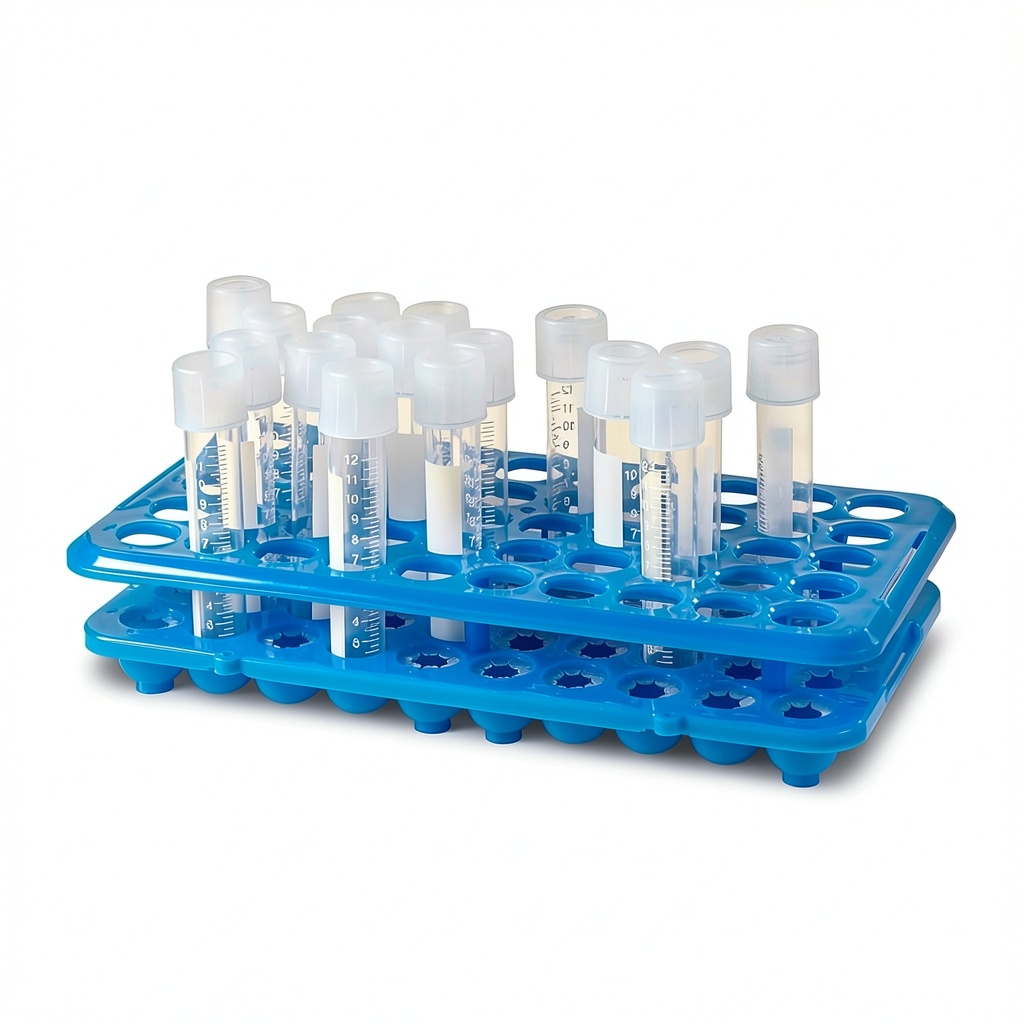
For high‑throughput screening (HTS) platforms, the tubes can be arranged in custom racks that align with standard 96‑well plate footprints, allowing simultaneous processing of hundreds of samples. The clear walls enable optical density measurements directly in the tube, reducing the need for secondary transfer steps and preserving sample volume for downstream analysis.
Integrating the tubes into a laboratory information management system (LIMS) is straightforward thanks to the standardized barcode printed on each outer carton. Scanning the barcode during sample entry automatically logs the tube’s unique identifier, batch number, and expiration date, facilitating traceability and compliance with Good Laboratory Practice (GLP) requirements.
Why Choose Us
BIOLOGIX has a reputation for delivering high‑quality laboratory consumables that meet stringent ISO standards. Each batch of culture tubes undergoes rigorous quality control testing, including leak testing, dimensional verification, and sterility assurance, to guarantee consistent performance across thousands of units.
Our tubes are manufactured using a proprietary extrusion process that yields uniform wall thickness and eliminates micro‑imperfections that could compromise sample integrity. The laser‑etched graduations are produced with sub‑micron precision, ensuring that every milliliter measurement is exact and reproducible.
Customer support is backed by a dedicated technical service team that provides rapid assistance for any product‑related inquiries, from troubleshooting cap operation to advising on optimal storage conditions. We also offer a flexible return policy and bulk discount options for institutions that require large quantities on a regular basis.
All production batches are certified to ISO 13485 and comply with GMP guidelines, ensuring that the tubes meet the rigorous standards required for clinical and pharmaceutical research. BIOLOGIX maintains a traceable manufacturing process, from raw material sourcing to final packaging, providing full documentation for quality audits and regulatory submissions. This level of compliance gives laboratories confidence when using the tubes in validated assays and regulated environments.
With a global distribution network spanning North America, Europe, and Asia‑Pacific, BIOLOGIX ensures rapid delivery and localized support for customers worldwide. Our technical service team offers on‑site training, troubleshooting, and customized solutions to integrate the culture tubes into existing laboratory workflows. By partnering with BIOLOGIX, laboratories gain access to a reliable supply chain and a responsive partner committed to advancing scientific discovery.
BIOLOGIX invests continuously in research and development to improve tube design, focusing on reducing material usage while maintaining structural strength. Recent innovations include a thinner wall profile that cuts polymer consumption by 15 % without sacrificing durability, reflecting our commitment to environmentally responsible manufacturing and cost efficiency for our customers.
BIOLOGIX adheres to REACH and RoHS regulations, ensuring that the culture tubes are free from hazardous substances and suitable for use in environmentally conscious laboratories. Our supply chain transparency allows customers to verify the origin of raw materials and the sustainability practices employed throughout the manufacturing process.
Key Features
- High‑grade polypropylene body resists autoclave temperatures up to 121 °C and centrifugal forces of 3000 RCF, delivering long‑lasting durability for demanding laboratory protocols.
- Laser‑etched graduation marks provide permanent, fade‑free volume indication up to 12 ml, enabling precise measurement without the risk of ink degradation.
- Dual‑position cap allows easy switching between breathable aerobic mode and sealed anaerobic mode, reducing the need for multiple tube types and simplifying experimental design.
- Clear, smooth interior surface minimizes sample adhesion and facilitates effortless recovery of cells, reagents, or precipitates, improving overall workflow efficiency.
- Bulk packaging of 1 000 sterile tubes ensures cost‑effective supply management, and our responsive customer support guarantees assistance and service throughout the product lifecycle.
FAQ
Can the culture tube be used for cryogenic storage?
Yes, the polypropylene material tolerates freeze‑thaw cycles and can be stored at –80 °C for long‑term preservation of cell lines or microbial cultures, provided the cap is fully sealed. The tube’s robust wall thickness prevents cracking during rapid temperature changes, and the EO‑sterilized interior remains contaminant‑free, making it suitable for repeated thawing and refreezing without compromising sample integrity.
What sterilization method is employed and is the tube endotoxin‑free?
The tubes are sterilized with ethylene oxide (EO) gas, which penetrates the polymer matrix and eliminates microbial contaminants. EO sterilization does not introduce endotoxins, making the tubes suitable for sensitive cell culture applications.
Are the tubes compatible with standard laboratory racks and centrifuge adapters?
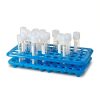
The 17 mm × 100 mm dimensions conform to common rack specifications, and the tube’s balanced weight distribution allows safe operation in most bench‑top and high‑speed centrifuges without the need for special adapters.
How does the dual‑cap mechanism work and is it reusable?
The cap consists of two independent sections; pressing the first section opens a breathable vent for aerobic culture, while pressing the second seals the tube for anaerobic work. The cap can be opened and closed repeatedly without loss of functionality, provided it remains within the recommended temperature range.
Can the cap be sterilized again after opening?
The cap is made from the same high‑grade polypropylene as the tube and can be re‑sterilized using standard autoclave cycles at 121 °C for up to 30 minutes. However, repeated sterilization may affect the seal integrity over time, so it is recommended to replace the cap if any deformation or loss of elasticity is observed.
What are the recommended storage conditions for the sterile tubes?
Store the tubes in a clean, dry environment at room temperature (15‑25 °C) away from direct sunlight. Keep the packaging sealed until use to maintain sterility. For long‑term storage, the tubes remain stable for up to 24 months when kept in their original EO‑sterilized condition.
Is the dual‑cap compatible with standard laboratory caps?
The dual‑cap is designed specifically for the BIOLOGIX culture tube and is not interchangeable with standard screw caps. However, the tube can be sealed with a conventional polypropylene screw cap if needed, providing flexibility for protocols that require a different sealing method.

Reviews
There are no reviews yet.